Introduction
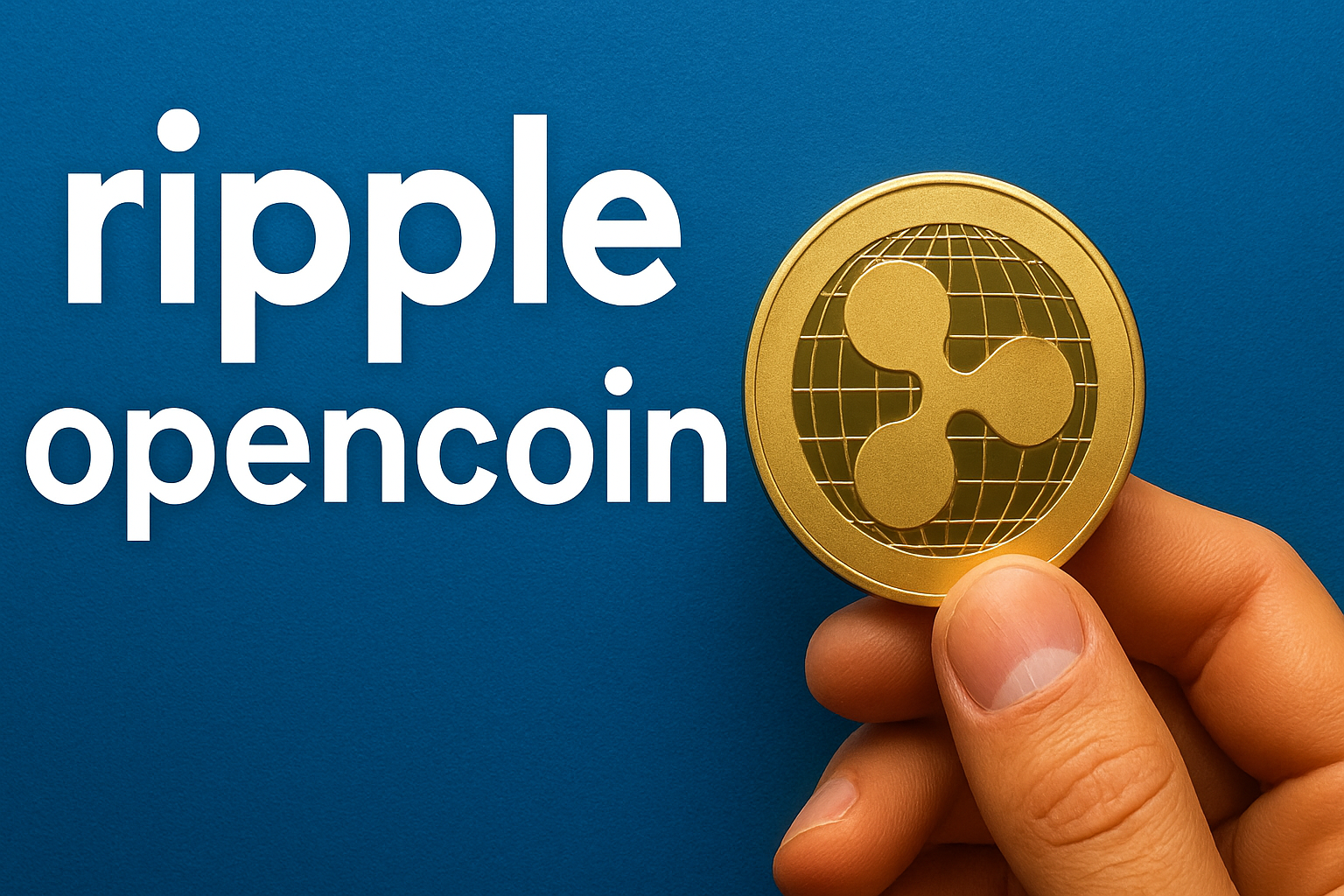
Ripple Opencoin represents one of the most influential innovations in blockchain history. While most people know Ripple for its cryptocurrency XRP, the origins of the project began with Ripple Opencoin. This early name described both the company and the technology that aimed to transform financial transactions. Understanding Ripple Opencoin involves exploring its background, the Ripple creator, the Ripple coin release date, and the Ripple XRP adoption date that marked its entry into the financial world.
Ripple Opencoin is different from other cryptocurrencies because it was designed not only as digital money but also as a protocol for fast, low-cost payments across borders. From its release date to its adoption by institutions, Ripple has become a major force in global finance.
Who Was the Ripple Creator?
The Ripple creator story is essential to understanding Ripple Opencoin. In the earliest days of the project, the Ripple creator vision was to design a financial system that did not rely on traditional banks but still allowed trustless transactions between parties. Ripple Opencoin took shape as a company with leadership that included Chris Larsen and Jed McCaleb, who are often credited as the Ripple creators behind the modern version of Ripple and XRP.
The Ripple creator aimed to solve inefficiencies in the financial system, such as high fees, long settlement times, and limited cross-border access. Ripple Opencoin positioned itself not as a competitor to banks but as a partner offering faster technology. This vision set Ripple apart from other cryptocurrencies and established its reputation in the financial sector.
Read Also: How Ripple CEO is Shaping the Future of Finance
Ripple Coin Release Date and Early Development
The Ripple coin release date plays a key role in its history. Ripple Opencoin officially launched XRP in 2012, making it one of the earliest cryptocurrencies after Bitcoin. The Ripple coin release date gave the world a new asset designed for fast liquidity and institutional use. Unlike other coins that relied solely on mining, Ripple XRP was pre-mined, with 100 billion coins created at launch.
The decision around the Ripple coin release date reflected the Ripple creator vision of creating a stable, efficient supply. From the moment of release, Ripple Opencoin marketed XRP as a digital asset for payments, not just speculation. The Ripple coin release date also attracted attention because the supply distribution was controlled by Ripple Opencoin, giving the company significant influence over XRP adoption and use.
Ripple XRP Adoption Date and Global Recognition
The Ripple XRP adoption date marked the point when institutions and individuals began to recognize Ripple as more than just a coin. Ripple Opencoin built partnerships with banks, payment providers, and financial institutions that valued the technology. The Ripple XRP adoption date varied across countries, but by 2013 and 2014, Ripple was already gaining traction as a payment protocol.
In the United States, Ripple XRP adoption date milestones included agreements with banks that tested Ripple software for cross-border payments. In Europe and Asia, Ripple Opencoin focused on financial institutions seeking faster settlement. Each Ripple XRP adoption date represented another step toward global recognition.
Unlike many other digital assets, Ripple XRP adoption was not driven only by individual traders. Ripple Opencoin worked directly with corporations and regulators to expand the network. This institutional focus gave Ripple a unique place in the blockchain ecosystem.
Ripple Opencoin and Its Difference from Other Cryptos
Ripple Opencoin distinguished itself from Bitcoin and other projects by its mission. While Bitcoin was designed as digital gold and Ethereum as a smart contract platform, Ripple Opencoin emphasized payments and banking integration. The Ripple creator ensured the technology could process thousands of transactions per second, making it a serious competitor to existing payment systems.
The Ripple coin release date highlighted a coin designed for real-world use. By the Ripple XRP adoption date, the ecosystem already had significant partnerships. Ripple Opencoin focused on making its token useful for liquidity, unlike many projects that depended only on speculation.
This difference explains why Ripple Opencoin remains relevant today, years after the Ripple coin release date. Its vision was clear: build a bridge between traditional finance and blockchain.
Ripple Creator Vision and Long-Term Impact
The Ripple creator vision went beyond launching a cryptocurrency. Ripple Opencoin wanted to provide tools for banks, businesses, and individuals to move value instantly across borders. The Ripple creator saw inefficiencies in systems like SWIFT and aimed to replace them with blockchain-powered solutions.
The Ripple coin release date marked the official entry of XRP into the market, but the Ripple creator focused on adoption, not hype. Each Ripple XRP adoption date reinforced the long-term impact of the project. Ripple Opencoin proved that blockchain technology could solve real problems for the financial industry.
The Ripple creator also emphasized compliance, making Ripple Opencoin one of the few blockchain companies to actively work with regulators. This strategic move helped strengthen its adoption and secure partnerships across Ripple USA and international markets.
Ripple XRP Adoption in USA and Worldwide
Ripple XRP adoption date milestones differ by region, but Ripple USA adoption has been among the most important. In America, Ripple Opencoin faced both opportunities and challenges. The Ripple coin release date came during a time when blockchain was still new, and regulations were uncertain. Yet Ripple Opencoin pursued bank partnerships in Ripple USA, creating early momentum.
In Europe, the Ripple XRP adoption date involved collaborations with banks eager to modernize cross-border payments. In Asia, Ripple Opencoin formed strong ties with financial institutions, accelerating adoption. Ripple XRP adoption date achievements in multiple regions reinforced the global nature of the project.
Ripple Opencoin’s focus on speed and efficiency ensured that once adoption began, momentum continued. Each adoption milestone validated the Ripple creator vision and strengthened confidence in Ripple software as a financial solution.
Future Outlook of Ripple Opencoin
Ripple Opencoin continues to expand beyond its Ripple coin release date and Ripple XRP adoption date milestones. The Ripple creator’s original goal of building a universal payment network is closer to reality as more institutions integrate Ripple technology.
Future Ripple XRP adoption dates will likely include new partnerships, expanded use cases, and wider recognition. While Ripple coin release date marked the start, adoption is an ongoing process. Ripple Opencoin’s strong foundation ensures it will remain a key player in blockchain finance.
Conclusion
Ripple Opencoin represents more than a cryptocurrency; it is a vision of financial transformation. From the Ripple coin release date in 2012 to each Ripple XRP adoption date, the Ripple creator built a system that connects blockchain technology with global banking. Ripple Opencoin has consistently distinguished itself from other cryptos by focusing on payments, speed, and institutional trust.
The Ripple creator’s impact is visible in every adoption milestone. Ripple coin release date history shows how early innovation shaped today’s markets, and Ripple XRP adoption date achievements confirm its relevance in modern finance. Ripple Opencoin continues to grow, and its future is tied to the ongoing expansion of global payment systems.
FAQs
What is Ripple Opencoin?
Ripple Opencoin is the early name of the company behind XRP, a digital asset created to enable fast, low-cost cross-border payments.
Who is the Ripple creator?
Ripple creator credits go to Jed McCaleb and Chris Larsen, who launched Ripple Opencoin and developed XRP as a blockchain payment solution.
When was the Ripple coin release date?
The Ripple coin release date was in 2012, when Ripple Opencoin introduced XRP with a fixed supply of 100 billion tokens.
What is the Ripple XRP adoption date?
The Ripple XRP adoption date began in 2013–2014 as banks and payment providers started testing Ripple technology for cross-border transactions.
Why is Ripple Opencoin different from other cryptos?
Ripple Opencoin is different because it focuses on institutional adoption, speed, and global banking integration, not just speculation or mining.