Introduction
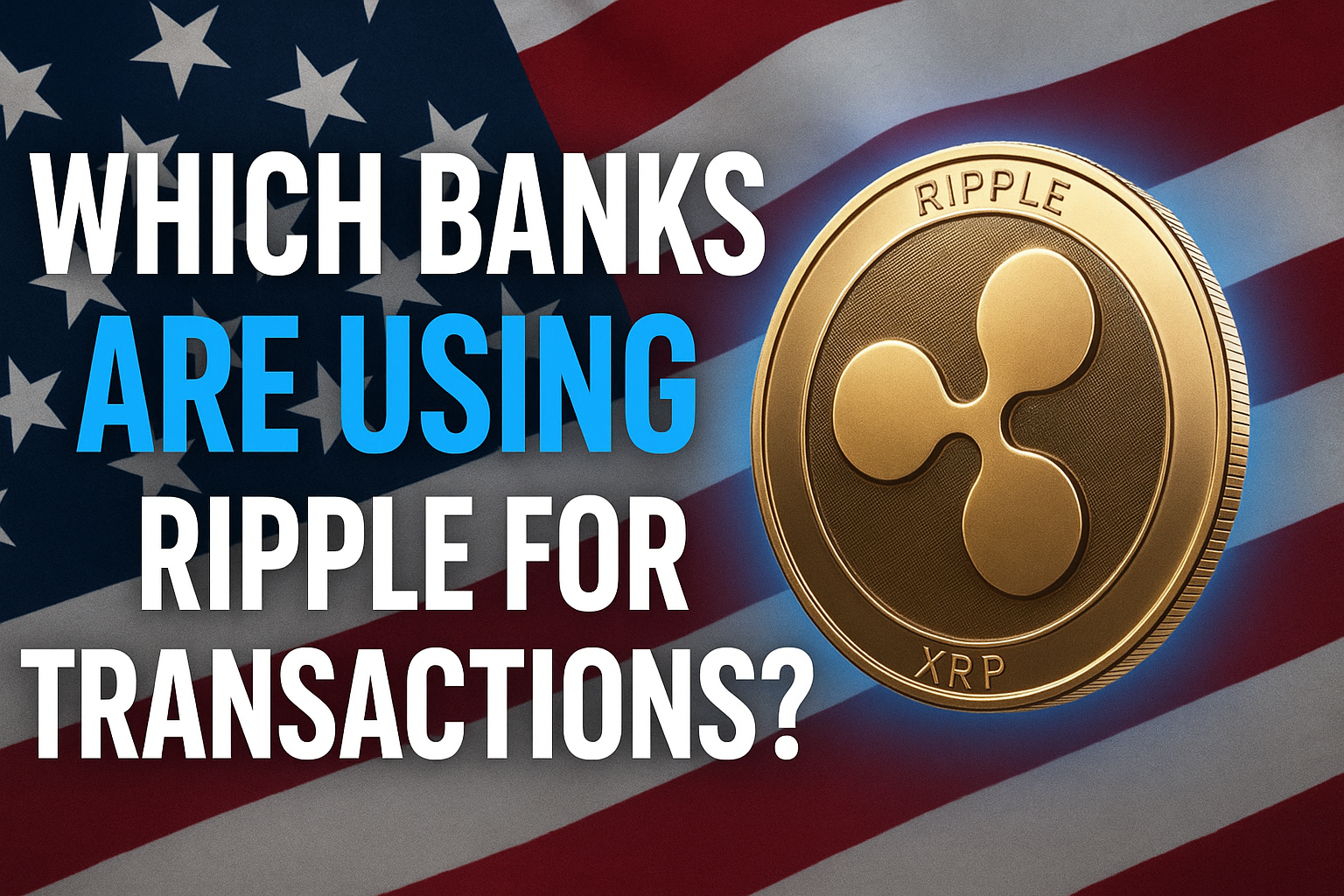
Ripple has become one of the most discussed names in the blockchain industry, especially because of its close connection with banks and financial institutions. Unlike cryptocurrencies built only for peer-to-peer trading, Ripple was designed to improve payments across borders. The system focuses on speed, low cost, and security, which is why Ripple partners with many institutions worldwide. Ripple adoption by banks has positioned XRP as a bridge between traditional finance and blockchain technology. To understand what banks use Ripple, it is important to look at Ripple partnerships, the countries using Ripple, and the global list of banks with Ripple integration.
Ripple Partnerships with Global Banks
Ripple partnerships are the foundation of its strategy. From the earliest stages, Ripple aimed to work with banks instead of competing against them. Each Ripple partner gains access to RippleNet, a global network that connects institutions using Ripple technology. This approach has led to a growing ripple partnerships list that includes some of the largest financial players in the world.
Ripple bank partners use the system to reduce transaction costs and settle payments in seconds rather than days. The advantage of Ripple partnerships is that they allow banks to improve efficiency without replacing their existing systems. Through Ripple partnerships, financial institutions gain access to XRP as a liquidity tool, enabling real-time settlement across borders.
List of Banks Using XRP
When people ask what banks use Ripple, they are looking for the ripple bank partners list that proves adoption. The list of banks using XRP includes major institutions in North America, Europe, Asia, and the Middle East. Ripple adoption by banks is not limited to one region; countries using Ripple extend from the United States to Japan and beyond.
The ripple partnerships list contains banks such as Santander, Standard Chartered, SBI Holdings, and Bank of America. These names reflect the global trust in Ripple technology. Each bank using XRP does so for specific purposes, such as cross-border remittances or corporate settlements. The list of banks using XRP continues to grow as more institutions recognize the value of blockchain-powered solutions.
Read Also: Is the Ripple IPO Worth Your Investment?
Ripple Adoption by Banks
Ripple adoption by banks has accelerated because of the increasing need for faster and cheaper international transactions. Traditional systems like SWIFT are slow and expensive, while Ripple bank partners can send money in seconds. Ripple partnerships offer banks a competitive advantage, allowing them to meet customer demands in a digital-first economy.
Banks using XRP benefit from liquidity management, reduced foreign exchange costs, and better transparency. Ripple partnerships also allow banks to expand into countries using Ripple, where remittances and cross-border payments are a major part of the economy. This explains why Ripple adoption by banks is not just a trend but a global shift in financial infrastructure.
What Countries Are Using XRP?
Another important question is what countries are using XRP. Ripple partnerships extend across dozens of nations, creating an international network of Ripple bank partners. Countries using Ripple include the United States, the United Kingdom, Japan, India, and several across the Middle East and South America.
Ripple adoption by banks in these countries is often driven by demand for faster international remittances. For example, Japan’s SBI Holdings is one of the strongest Ripple partners in Asia. In the United States, Ripple partnerships with major banks and payment providers reflect confidence in Ripple’s long-term value. Countries using Ripple demonstrate that the technology is not limited to one market but is expanding worldwide.
Ripple Bank Partners and XRP Banks
Ripple bank partners form a unique category within the crypto world. Instead of staying on the fringe of finance, Ripple has integrated directly with existing banks. XRP banks are financial institutions that actively use Ripple’s digital asset as part of their payment operations. This is why the ripple bank partners list continues to grow every year.
The presence of XRP banks shows that Ripple partnerships are practical and not just experimental. Ripple partners include banks in emerging economies as well as leading global players. Each Ripple partner validates the effectiveness of Ripple software and demonstrates that blockchain can work hand in hand with traditional finance.
Will Banks Use XRP in the Future?
The question of will banks use XRP in the future is critical. Based on the current ripple partnerships list and list of banks using XRP, the trend suggests strong future adoption. Ripple partnerships are expanding, and many banks are testing Ripple solutions even before committing publicly.
Ripple adoption by banks is also supported by regulatory interest. Countries using Ripple are increasingly open to digital asset innovation, which encourages more institutions to consider Ripple technology. The answer to will banks use XRP is yes, because Ripple partnerships already prove the benefits. As demand for instant payments grows, more banks with Ripple integration will appear on the ripple partners list.
Ripple Partnerships List and Future Growth
The ripple partnerships list is not static; it continues to expand as Ripple signs agreements with new financial institutions. Each Ripple partner adds credibility and strengthens the global network. Ripple bank partners list includes not only traditional banks but also payment providers and fintech companies.
The xrp partners list shows that Ripple adoption by banks is moving beyond small trials to real-world use. Each addition to the ripple partnerships list increases the reach of Ripple technology. The ripple bank partners list is evidence of how far Ripple has come since its early days. For anyone asking what banks use Ripple, the answer lies in the growing network of Ripple partners around the world.
Conclusion
The question of which banks are using Ripple for transactions leads to an understanding of Ripple partnerships and the global scale of adoption. Ripple partners include major financial institutions across multiple continents. The ripple partnerships list highlights the strength of Ripple adoption by banks and proves that blockchain can integrate directly with traditional finance.
The list of banks using XRP shows that Ripple partnerships are practical and trusted. Countries using Ripple demonstrate that adoption is not limited to one region but is international. Ripple bank partners continue to expand, and the ripple bank partners list is growing with each new agreement.
For those asking what banks use Ripple or will banks use XRP in the future, the evidence is clear. Ripple adoption by banks is already underway, and Ripple partners worldwide confirm its role in transforming finance. XRP banks are proving that blockchain is no longer a theory but a solution actively shaping cross-border payments. Ripple partnerships ensure that banks with Ripple integration will continue to grow, making Ripple a leading name in global financial innovation.
FAQs
What banks use Ripple?
Banks using Ripple include Santander, Standard Chartered, SBI Holdings, and Bank of America, with more being added to the Ripple partnerships list.
What countries are using XRP?
Countries using Ripple and XRP include the USA, UK, Japan, India, and several across Europe, Asia, and the Middle East.
Will banks use XRP in the future?
Yes, Ripple adoption by banks is increasing, and more institutions are testing XRP partnerships for faster cross-border payments.
What is the Ripple bank partners list?
The Ripple bank partners list is a growing group of global institutions that use Ripple technology and XRP for financial transactions.
Why are banks adopting Ripple?
Banks with Ripple save costs, speed up payments, and improve liquidity. Ripple partners gain real-time settlement advantages compared to traditional systems.